Is Your Dog Chewing Your Favorite Shoes? You're Not Alone!
That sinking feeling when you discover your beloved slippers have become a chew toy, or your sofa cushions bear the marks of your dog's frustration, is all too familiar for many pet parents. Destructive chewing is a common canine behavior that can leave owners feeling exasperated and concerned. But before you label your furry friend as a "bad dog," it's crucial to understand that this behavior is often a symptom of underlying needs or emotions. At Bully Bite, we believe in empowering pet owners with knowledge, turning frustration into understanding and destructive habits into healthy outlets. Let's dive into what your dog's chewing is really telling you and how you can guide them towards more positive behaviors.
Why Do Dogs Chew? It's More Than Just Boredom
Chewing is a natural, instinctive behavior for dogs. Puppies explore the world with their mouths, and adult dogs use chewing for a variety of reasons:
- Exploration: Puppies use chewing to relieve teething pain and to learn about their environment.
- Dental Health: Chewing helps to clean teeth, massage gums, and reduce plaque buildup.
- Stress and Anxiety Relief: Chewing releases endorphins, which have a calming effect on dogs. It can be a coping mechanism for separation anxiety, fear, or general stress.
- Boredom and Lack of Stimulation: When dogs don't have enough physical or mental exercise, they may resort to chewing on inappropriate items to entertain themselves.
- Attention Seeking: Sometimes, dogs learn that chewing on something they shouldn't will get their owner's attention, even if it's negative attention.
- Hunger or Nutritional Deficiencies: Though less common, some dogs may chew on non-food items if they are not receiving adequate nutrition.
Understanding the Roots of Destructive Chewing
Identifying the *why* behind your dog's chewing is the first step to finding a solution. Here are the most common culprits:
1. Boredom and Lack of Mental/Physical Stimulation
A dog with pent-up energy is a dog likely to find their own entertainment, often through destruction. If your dog isn't getting enough exercise or mental challenges, they'll find ways to expend that energy. This could manifest as chewing furniture, digging, or excessive barking.
Signs of Boredom-Related Chewing:
- Chewing occurs when the dog is left alone or when the household is quiet.
- The dog seems restless or hyperactive before chewing.
- Destruction often involves items that are easily accessible and provide a satisfying texture.
2. Separation Anxiety
This is a more serious issue where a dog experiences distress when separated from their owner. Destructive chewing is a common symptom, often accompanied by excessive barking, howling, house soiling, and pacing. The chewing is a way for the dog to self-soothe and cope with their panic.
Signs of Separation Anxiety Chewing:
- Chewing is concentrated around exit points (doors, windows) or on items that smell strongly of the owner.
- The behavior typically begins shortly after the owner leaves and stops upon their return.
- Other signs of distress are present, such as drooling, panting, or trembling.
3. Teething in Puppies
Puppies go through a teething phase, typically between 3 to 7 months of age. Their gums become sore and itchy as their adult teeth start to emerge, and chewing provides much-needed relief. This is a normal developmental stage, but it requires management to protect your belongings.
Signs of Teething Chewing:
- Chewing is focused on items that offer a satisfying texture for sore gums.
- The puppy may drool more than usual.
- This behavior is most prominent during the puppy's teething months.
4. Fear and Phobias
Loud noises like thunderstorms or fireworks, or even unfamiliar environments, can trigger fear in dogs. Chewing can be a self-soothing behavior for a frightened dog, helping them to cope with their anxiety.
Signs of Fear-Related Chewing:
- Chewing occurs during specific events (e.g., thunderstorms, fireworks).
- The dog may exhibit other signs of fear, such as trembling, hiding, or trying to escape.
Solutions: Guiding Your Dog Towards Healthy Chewing Habits
Once you've identified the likely cause of your dog's destructive chewing, you can implement targeted strategies. The key is to redirect their natural urge to chew onto appropriate items and address the underlying emotional or physical needs.
1. Provide Appropriate Chew Toys
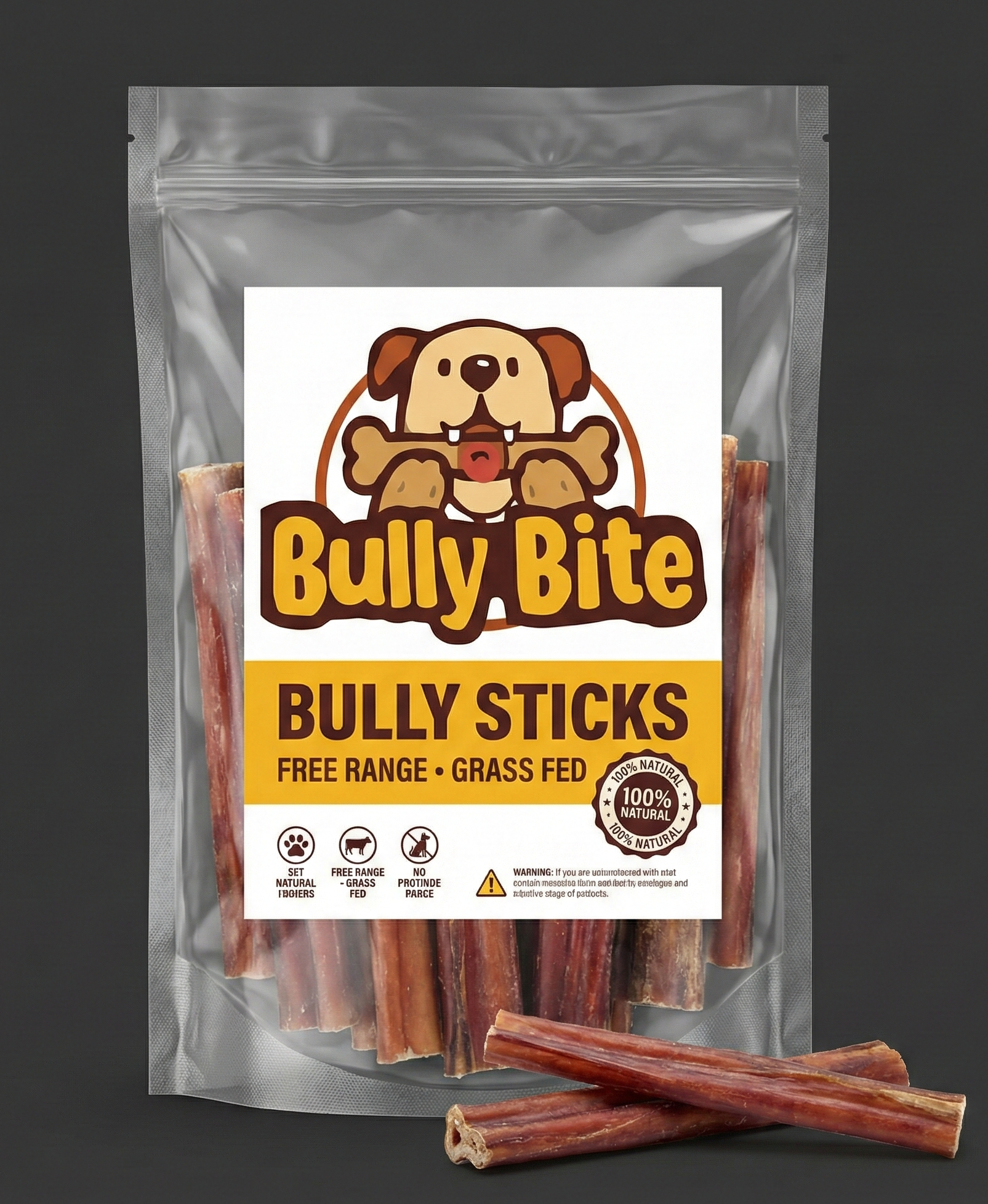
This is your first line of defense. Offer a variety of safe, durable chew toys that cater to your dog's chewing style and preferences. At Bully Bite, we understand the importance of high-quality, natural chews. Our Buffalo Bully Sticks are a prime example – made from 100% natural, grass-fed water buffalo, they are a long-lasting, digestible, and satisfying chew that dogs adore. They are also processed to be odor-free, making them a pleasant addition to your home. Offering such engaging chews can significantly reduce the temptation to chew on household items.
- Variety is Key: Offer different textures and shapes – rubber toys, rope toys, puzzle toys, and natural chews like our Bully Bites.
- Durability Matters: Choose toys that are appropriate for your dog's size and chewing strength to prevent choking hazards.
- Interactive Toys: Food-dispensing toys can provide mental stimulation and keep your dog occupied for extended periods.
2. Increase Physical and Mental Exercise
A tired dog is a good dog! Ensure your dog is getting enough daily exercise tailored to their breed, age, and energy level. This isn't just about physical exertion; mental stimulation is equally important.
- Daily Walks: Aim for at least one to two good walks per day.
- Playtime: Engage in games like fetch, tug-of-war, or hide-and-seek.
- Training Sessions: Short, regular training sessions can be mentally exhausting and rewarding.
- Puzzle Toys: Use treat-dispensing toys or snuffle mats to challenge your dog's problem-solving skills.
3. Manage Your Dog's Environment
While you're working on training and exercise, it's essential to prevent opportunities for destructive chewing.
- Puppy-Proofing: Just like baby-proofing, remove tempting items from your puppy's reach.
- Crate Training: A crate can be a safe den for your dog when unsupervised, provided it's introduced positively. Ensure the crate is large enough for them to stand, turn around, and lie down comfortably.
- Supervision: When you can't supervise directly, confine your dog to a safe area with appropriate chew toys.
4. Address Separation Anxiety
If you suspect separation anxiety, this requires a more dedicated approach, often involving desensitization and counter-conditioning techniques. Consult with a certified professional dog trainer or veterinary behaviorist for a personalized plan. Providing a safe, comforting space and leaving them with a long-lasting, safe chew like a Bully Bite can be part of the management strategy, but it's not a standalone solution for severe anxiety.
5. Redirect and Reward
When you catch your dog chewing on something inappropriate, don't punish them. Instead, calmly interrupt the behavior and immediately redirect them to an acceptable chew toy. Praise and reward them enthusiastically when they chew on the correct item. This positive reinforcement teaches them what you *want* them to chew.
6. Ensure Proper Nutrition
While less common, ensure your dog is on a high-quality diet that meets their nutritional needs. If you have concerns about your dog's diet or potential deficiencies, consult your veterinarian.
The Bully Bite Difference: Safe, Natural, and Irresistible Chews
At Bully Bite, we are passionate about providing dogs with the best possible chewing experience. Our commitment to quality starts with sourcing. We use only 100% natural, grass-fed water buffalo, raised ethically in India. Our products are meticulously processed to be odor-free and chemical-free, ensuring a safe and healthy chew for your beloved companion. Unlike rawhide, our Buffalo Bully Sticks are highly digestible and free from harmful additives. They offer a satisfying chew that promotes dental health and keeps dogs engaged, naturally reducing the likelihood of them turning to your furniture.
Choosing Bully Bite means choosing peace of mind. You're providing your dog with a delicious, engaging chew that supports their natural instincts while ensuring it's safe, healthy, and free from the chemicals and odors that can be a concern with other products. Our range is designed to satisfy even the most enthusiastic chewers, providing a healthy outlet for their energy and anxiety.
When to Seek Professional Help
While many chewing issues can be resolved with the strategies above, some may require professional intervention. If your dog's destructive chewing is severe, persistent, or accompanied by other concerning behaviors like aggression or extreme anxiety, it's time to consult a professional.
- Veterinarian: Rule out any underlying medical conditions.
- Certified Professional Dog Trainer (CPDT): For behavior modification and training strategies.
- Veterinary Behaviorist: For complex behavioral issues like severe anxiety or phobias.
Conclusion: Turning Destructive Chewing into a Positive Experience
Destructive chewing doesn't have to be a source of constant frustration. By understanding the root causes – whether it's boredom, anxiety, teething, or fear – you can implement effective strategies to redirect your dog's chewing behavior. Providing ample physical and mental stimulation, managing their environment, and offering high-quality, appropriate chew toys like Bully Bite's odor-free, chemical-free Buffalo Bully Sticks are crucial steps. Remember, patience, consistency, and positive reinforcement are your greatest allies in helping your dog develop healthy chewing habits, leading to a happier dog and a more harmonious home.
Private Label Manufacturing
Launch your own brand of premium dog treats. We handle production, packaging, and export.


